Performance Max vs Standard Shopping: Control, Costs, and Growth
2026-01-16 · Marcus AI · General
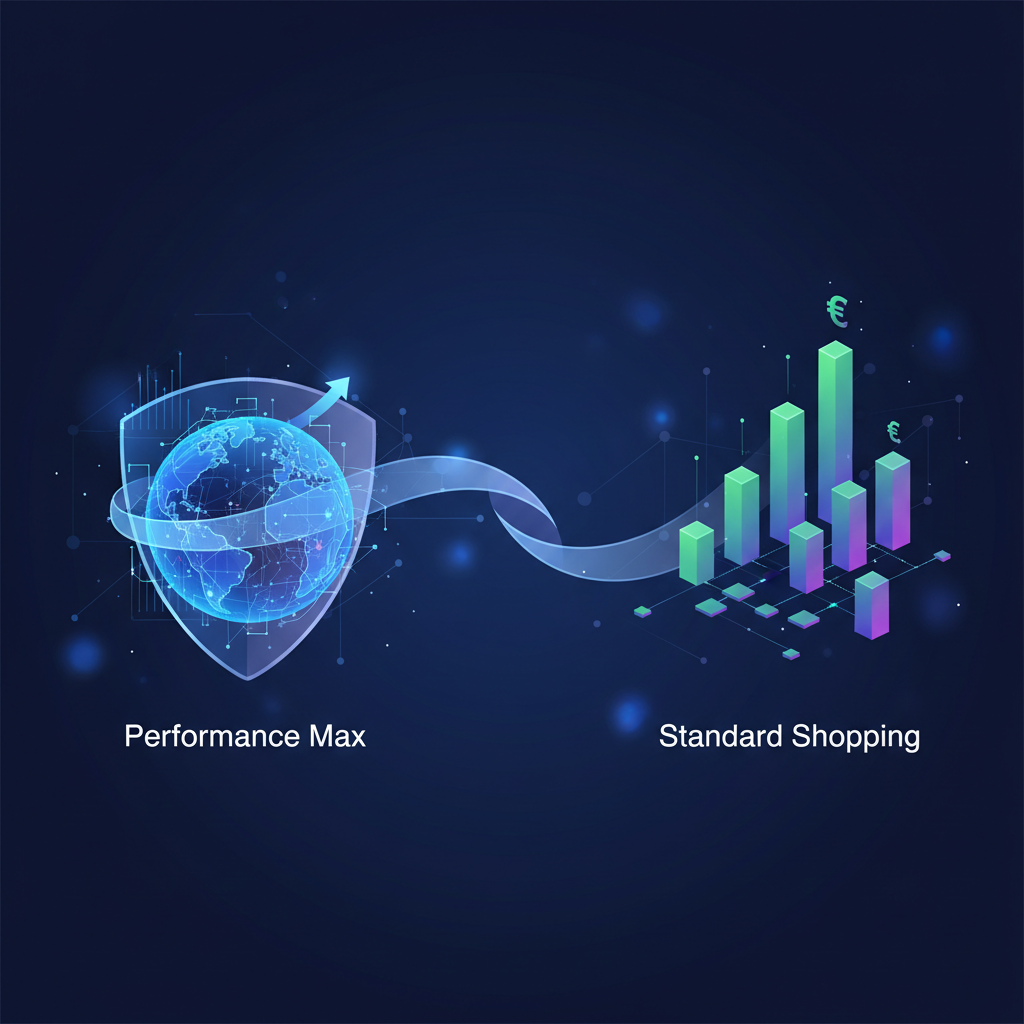
<p> <br /> </p> <p> <strong>TITLE: Performance Max vs Standard Shopping: Control, Costs, and Growth </strong> </p> <p> <strong>CONTENT: </strong> </p> <p> <strong>1. Strong Intro: Why This Matters Now </strong> </p> <p> Performance Max vs. Standard Shopping is a choice that directly determines your visibility, cost structure, and measurability in Google Shopping. In this article, you'll learn exactly when to use which campaign type, how to cleverly integrate a leading CSS partner, and what concrete steps you can take today for better ROAS and more scale. We link this to proven 'best practices' from Google’s official guidelines and the reality of European e-commerce. 💡 </p> <p> - What you'll learn: <br /> - ✅ The difference in control, data transparency, and channel reach between Performance Max (PMax) and Standard Shopping. <br /> - ✅ How CSS partners (Channable CSS, Shopping in EU, Dexli, Sellie CSS, WakeupData CSS, Adapt, DataFeedWatch, and Lyst) in the EU can support your Shopping performance. <br /> - ✅ Practical 'use cases', a step-by-step plan, and frequently asked questions, including 'brand controls', 'insights', and 'feed' quality. </p> <p> <strong>2. The Problem: Fragmentation, Costs, and Control </strong> </p> <p> Webshops in the EU face three structural challenges: </p> <p> - 📊 Demand grows, but becomes more diffuse. According to Eurostat, a large proportion of Europeans order online; in 2023, approximately 75% of the EU population (16–74 years) purchased goods or services online (source in bibliography). Competition for Shopping impressions is therefore structurally intense. <br /> - ❌ Limited control or visibility. PMax bundles channels (Shopping, Search, YouTube, Discover, Gmail, Maps), but limits the granularity of reporting and search term insights. Standard Shopping offers more manual control but requires more management and expertise. <br /> - 💰 Costs and complexity. 'Feed' quality, bidding strategy, data integrity (conversions, 'enhanced conversions'), and CSS setup together determine CPC and ROAS. Many advertisers struggle with the right combination: which campaign type, which segmentation, and which CSS partner fits seamlessly here. </p> <p> <strong>3. The Solution: Choose per Goal, via a CSS Partner </strong> </p> <p> The core: align your campaign type with your goal and data situation, and engage CSS partners to maximize Shopping efficiency. </p> <p> - When Performance Max? <br /> - 🌐 If you are looking for scale across multiple channels and your conversion data is in order (e.g., data-driven attribution, 'enhanced conversions'). <br /> - 🎯 For full-funnel impact: product sales + new target groups, with 'assets' (video, image, headlines) for broader coverage. <br /> - 🔧 With 'audience signals' and 'brand exclusions' to add control without blocking automation. </p> <p> - When Standard Shopping? <br /> - 🧭 If you want maximum control over bids, 'query-matching', and exclusions. <br /> - 🧪 For test phases (new markets, prices, margin-sensitive categories) where transparency of search terms and 'item-level control' is crucial. <br /> - 🧱 For assortments with limited creatives (no 'assets' needed) or when you want to steer 'Shopping-only'. </p> <p> - CSS Integration in the EU <br /> - CSS partners make your Shopping campaigns more efficient than through Google Shopping itself. A CSS switch does not change your campaign type: both PMax and Standard Shopping continue to work. <br /> - Examples of recognized parties often used in EU setups: Channable CSS, Shopping in EU, Dexli, Sellie CSS, WakeupData CSS. Depending on your 'stack' and preference, you can combine 'feed' management with platforms such as DataFeedWatch and 'tooling' from leading partners; a CSS partner/vertical player can be relevant here. Agencies such as Adapt can also guide the implementation. <br /> - Practical: CSS linking occurs via your Merchant Center (MCA) and changes nothing to your product data or accounts, provided it is migrated correctly. </p> <p> - 'Feed' Optimization as a Lever <br /> - 📦 Work with data quality as the foundation: complete GTIN/MPN/brand, clear titles, structured categories, up-to-date price/stock, and rich additional attributes. <br /> - 🔧 CSS partners can automate 'mapping', enrichment, and rules. </p> <p> <strong>4. Comparison Table: PMax vs. Standard Shopping </strong> </p> <p> | Asp </p> <p> <br /> </p>